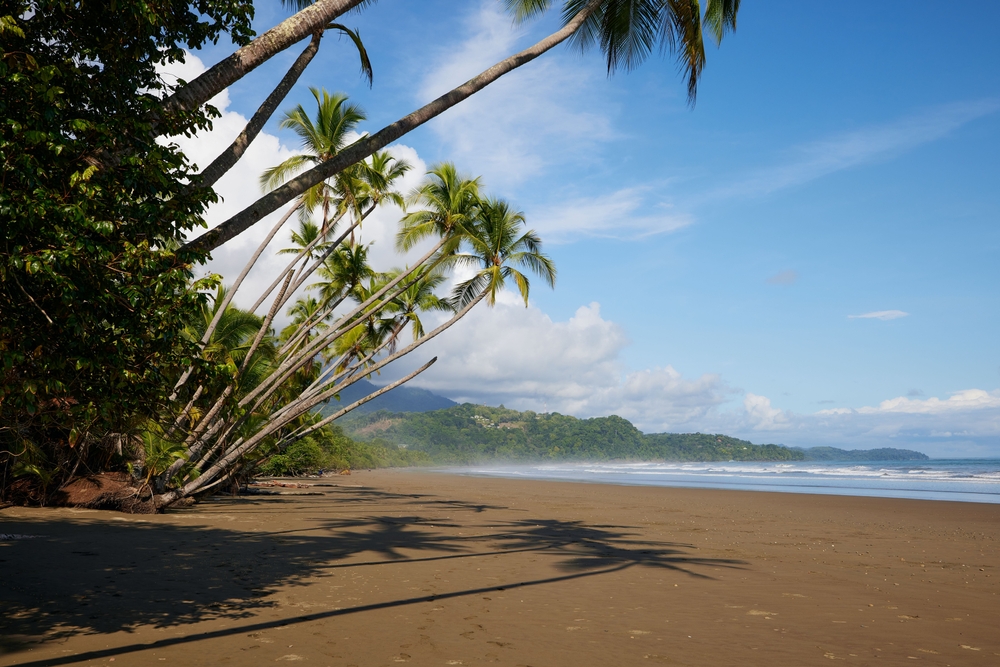
Considering buying land in Costa Rica? It is easy to fall in love with a scenic plot that seems ideal for your dream home or investment. However, the most attractive listings often hide complex legal, environmental, and infrastructure realities. The truth is that the difference between a successful purchase and a costly mistake comes down to preparation.
In this detailed guide, Coldwell Banker Sunset Reef Realty shares the essential steps every international buyer should understand before purchasing land in Costa Rica. We explain the local legal framework, discuss how to evaluate buildability, zoning, and permits, and highlight what documents to request during due diligence. With this insight, you will be able to approach land purchases confidently and avoid the common pitfalls that catch inexperienced buyers off guard.
Land Types 101 Titled, Concession and Special Cases
Costa Rica has three main land categories: titled property, Maritime Zone concessions, and special-purpose land. Understanding the differences between them is essential before committing to a purchase.
Titled land offers the most secure form of ownership. This type of property is fully registered in the National Registry (Registro Nacional), giving the buyer complete ownership rights, including the ability to sell, lease, or pass it on through inheritance. Foreigners have the same rights as Costa Ricans to own titled property, whether in their own name or through a registered Costa Rican corporation.
Concession land, by contrast, refers to the Maritime Zone 200 metres measured inland from the mean high tide line. The first 50 metres are public land and cannot be owned or developed. The next 150 metres are under municipal control and can only be leased via concession contracts, typically for 20 years with renewal rights. Foreign buyers can participate only through corporations where Costa Ricans hold at least 51% of ownership.
Special cases include agrarian land managed by INDER, which is intended for agricultural use and comes with resale restrictions, and condominium lots, which are governed under the Ley de Condominios and include shared services and maintenance rules. Land within protected zones, indigenous territories, or national parks carries strict legal restrictions or absolute prohibitions on private development.
Title, Registry and Survey Basics
Before purchasing any property in Costa Rica, it is crucial to verify that the title is clear and correctly registered. Request an informe registral, or title extract, from the National Registry to confirm ownership details, boundary size, and the absence of liens, annotations, or mortgages.
Check the plano catastrado (cadastral survey map) to ensure that the physical property matches its legal boundaries. A licensed topographer should confirm all markers and can remeasure the land in a process known as boundary re-pegging. This prevents future disputes and ensures the recorded survey matches the actual property.
Easements (servidumbres) also require close attention. These legal rights may grant access for utilities or roads across another property. Confirm that any required access or utility easements are properly recorded and accessible on the ground. In some areas, it is also advisable to commission a topographic or as-built survey to identify slopes, water courses, and existing structures before committing to the purchase.
Zoning, Buildability and Setbacks
Zoning regulations determine what you can build and where. Every municipality issues a zoning certificate (uso de suelo) that specifies permitted uses such as residential, commercial, or agricultural, along with maximum building coverage, density, and height restrictions.
Coastal plots are further subject to Maritime Zone regulations. While the first 50 metres from the shoreline are public, the following 150 metres operate under concession leases. The municipality must approve any construction within these areas, and projects must conform to the assigned land-use category.
Environmental setbacks are equally important. Costa Rica enforces minimum distances from rivers, mangroves, wetlands, and springs, often between 15 and 50 metres. Hillside lots may also face restrictions on slope and require geotechnical studies to prove stability. Buyers should understand that some seemingly perfect lots cannot be built on without costly engineering or environmental approvals.
Water, Power and Connectivity
Reliable access to water is one of the most critical requirements for obtaining a building permit. You will need a water availability letter from either a local ASADA (community water provider) or the national water authority AYA. Without this document, municipalities will not issue a building permit. Properties relying on wells must hold an official water concession to prove legal usage rights.
Electricity is typically provided by ICE (Instituto Costarricense de Electricidad) or regional cooperatives. Confirm how far the nearest power line or transformer is from your site and whether connection costs have been estimated. Large developments may require transformer upgrades or underground wiring for safety and aesthetic reasons.
Connectivity is another practical factor. Verify the availability of fibre-optic internet and mobile signal coverage, particularly in rural areas. If service is limited, consider options for satellite internet or backup solar power to maintain reliability.
Environmental and Permitting Requirements
Costa Rica’s strong environmental policies are part of its global reputation, but they add steps to the permitting process. Depending on the property’s size and location, your project may need approval from SETENA (Secretaría Técnica Nacional Ambiental), the environmental agency. Smaller developments require a D1 or D2 form, while larger projects or those near sensitive ecosystems need a full impact study.
Under the Forestry Law (Ley 7575), cutting trees without permission is prohibited. You may need to apply for tree removal permits or reforestation plans, especially in forested lots. Land near rivers or the coast may also fall under the jurisdiction of SINAC (National System of Conservation Areas) or MOPT (Ministry of Public Works and Transport).
Obtaining environmental clearance can take time, but it ensures your development complies with Costa Rican law and avoids future penalties or construction delays. Your architect, topographer, and environmental consultant will typically manage this process as part of the overall permitting pathway.
Access, Roads and Right of Way
Access is a fundamental requirement that is often overlooked. Confirm that your property connects legally to a public road or has a recorded right-of-way easement (servidumbre de paso). Without this, your land may be legally landlocked, limiting both financing and building approval.
Evaluate the physical condition of the access road as well. Poor drainage, steep slopes, and unpaved sections can affect usability, especially during the rainy season. If the access road crosses a bridge or culvert, inspect its condition and maintenance responsibilities. In gated communities, the HOA generally maintains internal roads, while private properties outside urban areas rely on shared owner maintenance.
Red Flags That Can Derail a Purchase
Several warning signs should immediately prompt caution. Properties with overlapping surveys, missing easements, or unregistered boundary markers may lead to lengthy legal disputes. Lots without a water letter or with wells lacking concession rights cannot receive building permits until those issues are resolved.
Environmental hazards such as floodplains, landslide-prone slopes, or mangrove encroachment can restrict development entirely. Also, confirm that zoning supports your intended use; buying an “agricultural only” lot when you intend to build a residence could leave you with an unusable asset.
Whenever one of these red flags appears, consult your attorney and topographer immediately before proceeding further.
Due Diligence Timeline Step by Step
Due diligence for land typically begins once you sign a Letter of Intent (LOI) and deposit funds into an escrow account.
Your attorney and notary will conduct the title search, verify ownership, and obtain the title extract. At the same time, your topographer will confirm physical boundaries and legal access, and environmental consultants may perform assessments depending on the site’s location.
The due diligence period usually lasts 30 days but can vary based on findings. Key documents include the title certificate, survey map, zoning letter, water letter, and any necessary environmental reports. Once all documents are reviewed, you can proceed to closing with confidence or renegotiate the terms if problems arise.
Costs and Taxes
Buying land in Costa Rica comes with predictable costs. One-time expenses include transfer tax, notary and legal fees, registry stamps, and escrow administration charges. Professional fees for topographers, geotechnical engineers, and environmental consultants should also be budgeted.
Ongoing costs include property tax (0.25% of the registered value) and, for concession land, an annual lease payment known as the canon. Condominium owners pay monthly HOA fees, which cover maintenance, roads, and communal services.
Before building, expect additional costs for driveway access, grading, clearing, and utility connections. Currency exchange and international transfer fees should also be included in your total budget, as they can add 1–3% to your transaction costs.
Financing, Entities and Ownership Structure
While many land purchases are completed in cash, financing options for foreign buyers do exist, though they are limited. Local banks may offer loans to non-residents, but with strict documentation and higher down payments typically around 50%. Some buyers use private lenders, offshore financing, or seller financing arrangements to bridge the gap.
Foreigners often hold land through Costa Rican corporations (S.R.L. or S.A.) for privacy, liability protection, or ease of joint ownership. However, corporations require annual maintenance, tax filings, and local representation.
It is also advisable to obtain liability and construction insurance once building begins, covering accidents, material damage, and third-party claims. Your legal and financial advisers can help determine the most efficient ownership and protection strategy for your situation.
Designing for Climate, Code and Resale
Costa Rica’s climate varies by region but is consistently tropical, so design and materials must account for heat, humidity, and rainfall. Proper orientation towards prevailing winds and shaded terraces can reduce reliance on air conditioning, while overhangs and drainage systems prevent rain damage.
Choose materials that withstand coastal and jungle conditions: treated wood, aluminium framing, porcelain tiles, and 316 stainless steel for fixtures are long-lasting and low maintenance. All structures must comply with Costa Rica’s seismic code, which ensures safety in earthquake-prone zones.
A well-designed site not only improves comfort but also protects resale value. Buyers consistently favour properties that demonstrate quality construction, durability, and environmental harmony.
Condominium vs Standalone Lots
Condominium lots offer advantages for buyers seeking convenience. They usually come with established infrastructure roads, water, electricity, and waste systems and benefit from shared security and amenities. The Homeowners’ Association manages maintenance, ensuring predictable upkeep and community standards. However, condominium ownership includes regulations such as architectural guidelines, rental restrictions, or pet policies.
Standalone lots, on the other hand, allow greater freedom in design and use. Yet this flexibility comes with responsibility: owners must handle road access, utilities, and security themselves. For remote properties, these costs can add up quickly.
The right choice depends on your lifestyle and priorities structured convenience or complete independence.
FAQs
Can foreigners buy land in Costa Rica?
Yes. Foreigners have the same rights as Costa Rican citizens to buy and own titled land. The only exception is within the Maritime Zone, where concession land requires majority Costa Rican ownership.
What documents should I verify before buying?
Always request the title extract, survey plan, zoning letter, and water availability certificate. These are the foundation of any land transaction. Without them, you cannot confirm legal ownership or buildability.
How long does it take to complete a land purchase?
The average purchase takes between 30 and 60 days, depending on due diligence complexity. Delays may occur if surveys or environmental studies are required.
Do I need a lawyer to buy land?
Absolutely. A qualified attorney-notary handles the title transfer, prepares the purchase deed, verifies registry information, and records the transaction. Working without one risks future legal problems.
What taxes apply after purchase?
Owners must pay annual property tax (0.25% of the registered value). Properties above the luxury threshold also pay an additional progressive tax. Rental income, if applicable, is subject to Costa Rican income tax.
Why Choose Coldwell Banker Sunset Reef Realty
With over fifteen years of experience in Costa Rica’s coastal real estate market, Coldwell Banker Sunset Reef Realty offers the expertise and transparency international buyers rely on. Our bilingual team understands the intricacies of local property law, environmental regulations, and investment potential across Guanacaste and the Nicoya Peninsula.
We work alongside trusted lawyers, topographers, architects, and surveyors to deliver an efficient, safe purchasing experience. Whether you are acquiring land for a private residence, an eco-retreat, or long-term investment, we provide step-by-step guidance from site selection through closing.
Our reputation is built on professionalism, integrity, and results helping clients turn opportunities into secure, lasting assets.
Conclusion
Buying land in Costa Rica is straightforward when you know what to verify. Start with title and boundary checks, confirm access and utilities, and assess zoning and environmental requirements before signing anything. A professional team makes all the difference in ensuring compliance and avoiding costly errors.
With Coldwell Banker Sunset Reef Realty, you gain a partner dedicated to your success from first viewing to final registration.
Visit cbsunsetreefrealty.com to explore verified land listings and arrange a private consultation today.