
Thinking about retiring in paradise? Costa Rica might be exactly what you’re looking for, and you're not alone. With more than 70,000 expats living throughout the country, Costa Rica has become a top destination for retirees from North America and Europe. Known for its "pura vida" lifestyle, stunning natural beauty, and excellent healthcare system, this Central American country offers a vibrant and fulfilling retirement experience.
Whether you're dreaming of peaceful mornings by the ocean or cool, quiet evenings in the mountains, Costa Rica offers something for every retiree. In this comprehensive guide, we’ll explore the best places to retire in Costa Rica, review real estate trends, break down the cost of living, and explain how Coldwell Banker Sunset Reef Realty can help make your transition seamless and successful.
Why Retire in Costa Rica?
Costa Rica offers a rare combination of economic value, political stability, and natural beauty, making it a top choice for international retirees.
First, the cost of living is significantly lower than in the United States and most European countries. Many retirees find they can maintain or even upgrade their quality of life while spending less on housing, healthcare, and everyday expenses.
Second, the country’s healthcare system is both affordable and high-quality. The public healthcare system, known as the Caja, offers comprehensive medical coverage at a fraction of what similar services would cost elsewhere. In addition, a wide range of private hospitals and clinics provide care that is on par with international standards.
Costa Rica’s people are famously friendly and welcoming, creating a supportive environment for newcomers. Strong expat communities exist throughout the country, providing ample opportunities to make connections, share experiences, and build new friendships.
Politically, Costa Rica is known for its long-standing democracy and progressive policies. It has no standing army, which reflects its peaceful values and investment in social services.
Finally, the country's climate diversity allows retirees to choose between year-round warmth on the coast or the cooler, temperate weather found in mountainous regions.
Top Coastal Retirement Destinations in Costa Rica
Tamarindo
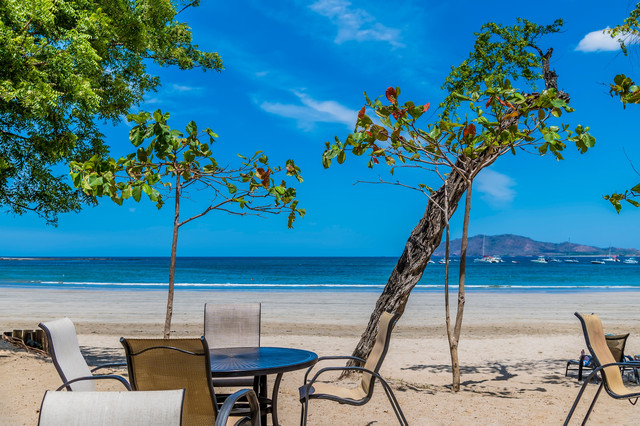
Tamarindo is a vibrant beach town located in the Guanacaste province on the Pacific Coast. It is known for its laid-back atmosphere, active social scene, and reliable infrastructure. Retirees are drawn to Tamarindo for its strong expat presence, wide variety of restaurants and cafes, and excellent recreational options, including surfing, fishing, and golfing. The real estate market here is robust, offering beachfront condos, gated communities, and luxury villas. For those interested in exploring property options in this area, our Homes for Sale in Tamarindo page offers a curated selection of listings.
Jaco
Located just 90 minutes from San José, Jaco is one of the most accessible beach towns in Costa Rica. It is popular among retirees who want to enjoy oceanfront living without being too far from the capital. Jaco boasts modern amenities, lively nightlife, and easy access to medical care and shopping centers. It is a great option for those seeking a combination of urban comfort and natural beauty.
Puerto Viejo
Puerto Viejo sits on the Caribbean coast and offers a unique cultural experience thanks to its Afro-Caribbean roots. The town is well known for its colorful personality, reggae music, and strong community spirit. Living costs are generally lower than on the Pacific coast, and the atmosphere is more relaxed. Retirees who value diversity, a slower pace of life, and access to beautiful, less-developed beaches often choose Puerto Viejo.
Dominical and Uvita
These two coastal towns in the Southern Pacific Zone are ideal for retirees who prefer peace and nature over busier tourist areas. Dominical is a small surf town with a bohemian feel, while Uvita offers more infrastructure and services. The surrounding area is home to waterfalls, national parks, and abundant wildlife. These destinations appeal to eco-conscious retirees seeking a tranquil, nature-centered lifestyle. For more information on properties in these areas, visit our Homes for Sale in Uvita listings.
Pros and Cons of Coastal Living
Coastal living offers easy access to beaches, outdoor activities, and thriving expat communities. However, it also comes with challenges such as higher humidity, the potential for extreme weather, and seasonal fluctuations in population due to tourism. Property prices in coastal areas can also vary widely depending on proximity to the ocean and level of development.
Best Mountain and Inland Towns to Retire
Atenas
Atenas is often touted as having the “best climate in the world,” with mild temperatures year-round and low humidity. It is a quiet town located in the Central Valley, within easy driving distance of San José. Retirees appreciate its relaxed pace of life, clean air, and strong sense of community. The town offers modern amenities without the hustle and bustle of city life.
Grecia
Known for its charming red metal church and central park, Grecia offers an authentic Costa Rican lifestyle with modern conveniences. The town is clean, safe, and relatively affordable, making it a favorite among budget-conscious retirees. Grecia also features local markets, restaurants, and healthcare facilities that cater well to both locals and expats.
San Ramón
This mid-sized city is a hub for art, education, and cultural events. It is home to a university and several museums, which give the town an intellectual and creative atmosphere. The expat community here is growing, drawn by the pleasant climate, scenic mountain views, and active social life. San Ramón is ideal for retirees who want to stay mentally and socially engaged.
Cartago
As Costa Rica’s original capital, Cartago is rich in history and tradition. Located near the Irazú Volcano and surrounded by lush mountains, it offers cooler weather and proximity to San José. The city is a mix of old-world charm and modern amenities, with excellent medical facilities and cultural attractions.
Benefits of Mountain Living
Mountain towns provide cooler temperatures, lower humidity, and beautiful natural surroundings. Many retirees also enjoy gardening, hiking, and birdwatching. These areas typically offer a quieter lifestyle and stronger opportunities for cultural integration.

Cost of Living in Popular Retirement Spots
Retirees in Costa Rica can enjoy a high quality of life at a lower cost than in many Western countries. The overall affordability depends on lifestyle choices and location.
Housing costs vary widely. In smaller towns and rural areas, you can rent a comfortable home for $500 to $800 per month. In tourist hotspots or upscale neighborhoods, expect to pay upwards of $1,200 monthly. Purchasing property is also an option, with condos and single-family homes available at a range of price points.
Healthcare expenses are another major advantage. Public healthcare through the Caja system costs under $100 per month for most retirees. Private insurance is also affordable and provides access to high-end facilities and English-speaking doctors.
Utilities, including electricity, water, and internet, generally range from $50 to $150 per month, depending on usage and location. Many homes are equipped with solar energy systems, which can reduce long-term costs.
Transportation is also economical. While owning a car is convenient in remote areas, many retirees rely on Costa Rica’s reliable and inexpensive bus system, taxis, and ride-sharing apps.
Groceries and dining costs can be kept low by shopping at local farmers markets and eating at sodas (small local restaurants). Imported goods and international cuisine are more expensive.
Budgeting carefully and adapting to local shopping and lifestyle habits can help retirees make the most of their income.
Residency Options for Retirees
Pensionado Program
The Pensionado Program is designed for retirees with a stable monthly income from a pension or Social Security. The minimum requirement is $1,000 per month in lifelong retirement income. Successful applicants gain legal residency and access to the public healthcare system. The application process includes gathering documentation, providing proof of income, and registering with immigration. Once approved, you’ll need to renew your residency periodically.
Rentista Visa
This visa is ideal for individuals who do not receive a pension but can demonstrate a steady income. Applicants must show a guaranteed monthly income of at least $2,500 for two years or deposit $60,000 into a Costa Rican bank. The process can be more complex than the Pensionado Program, often requiring the assistance of a legal advisor.
Legal Assistance and Mistakes to Avoid
Navigating Costa Rican bureaucracy can be challenging without guidance. Retirees are advised to hire a qualified immigration attorney or relocation consultant to handle paperwork, avoid delays, and ensure compliance with local laws. Common mistakes include submitting incomplete documents, missing deadlines, or misunderstanding visa terms.
Expat Communities and Local Lifestyle
Costa Rica has thriving expat communities in nearly every region of the country. Towns such as Atenas, Tamarindo, Grecia, and Uvita have well-established networks that help newcomers adjust.
Many expats connect through Facebook groups, forums, and local meetups. These platforms provide information, support, and friendship. Integration with local Costa Ricans, or “Ticos,” is also highly encouraged. Learning Spanish, even at a basic level, significantly enhances your experience and fosters better relationships.
Retirees also enjoy participating in community activities, volunteering, or joining social clubs. Whether it’s yoga on the beach, helping out at a local animal rescue, or joining a book club, the opportunities for engagement are abundant.

Safety, Infrastructure, and Healthcare Access
Costa Rica is widely regarded as one of the safest countries in Latin America. Violent crime is rare, particularly in rural and expat-friendly areas. Petty theft can occur, so basic precautions such as securing valuables and locking doors are advisable.
Infrastructure has improved significantly in recent years. Most towns have reliable internet, and many offer fiber-optic service. Roads are continually being upgraded, and public transportation is extensive and affordable.
Healthcare access is excellent, especially in urban centers like San José, Liberia, and Cartago. Smaller towns may lack large hospitals, but private clinics are available in most areas. Emergency services are responsive, and many doctors are bilingual.
Choosing your retirement location should factor in proximity to healthcare facilities and availability of emergency services, especially if you have existing medical needs.

Real Estate and Renting in Retirement Hotspots
Buying vs. Renting
Renting initially is a smart choice for most retirees. It allows you to explore different towns, understand local culture, and determine the best long-term fit without making a major commitment. Many rental properties are fully furnished and available for both short-term and long-term leases.
Buying property in Costa Rica is also straightforward for foreigners. The law allows equal property ownership rights, except in maritime zones. However, it is essential to work with a reputable real estate agency to navigate the legal and logistical aspects.
What to Expect
Real estate styles range from beachfront condos and mountain cabins to gated community villas and eco-friendly homes. Property prices vary depending on location, amenities, and market demand. Towns like Tamarindo and Uvita are experiencing growth, which may increase both rental demand and property values.
Why Choose Coldwell Banker Sunset Reef Realty?
When planning your retirement in Costa Rica, having a trusted real estate partner makes all the difference. Coldwell Banker Sunset Reef Realty stands out for several key reasons.
They have deep local expertise and understand the nuances of Costa Rica’s diverse real estate markets. Whether you’re seeking a beachside retreat or a peaceful mountain home, their agents can help you identify the best fit for your needs and budget.
Their team has a proven track record of helping retirees successfully navigate the home-buying process, offering personalized service tailored to each client’s goals.
Coldwell Banker Sunset Reef Realty uses advanced technology tools, including virtual tours and custom search filters, to streamline your home search even before you arrive.
More importantly, they provide full-service support, from legal coordination to property management referrals, making the entire transition to Costa Rica smoother and more enjoyable.
Explore listings and learn more at cbsunsetreefrealty.com.
Frequently Asked Questions (FAQ)
Is it safe to retire in Costa Rica?
Yes, Costa Rica is considered one of the safest countries in Latin America. Violent crime is low, especially in smaller towns and expat communities. Basic safety precautions, such as securing valuables and avoiding isolated areas at night, are usually sufficient. Most retirees feel very secure living in Costa Rica.
Do I need to speak Spanish to live in Costa Rica?
While many Costa Ricans speak some English, especially in tourist and expat-heavy areas, learning Spanish will significantly improve your quality of life. It will help you navigate services, connect with locals, and integrate into the community. Basic fluency can be achieved through local classes or online apps.
How do I access healthcare in Costa Rica as a retiree?
Retirees with residency can enroll in the public healthcare system (Caja), which provides comprehensive care for a small monthly fee based on income. Private healthcare is also available, often with shorter wait times and English-speaking staff. Many retirees use both systems depending on their needs.
Can foreigners buy property in Costa Rica?
Yes. Foreigners have the same property ownership rights as Costa Ricans in most cases. The main exception involves concession land in maritime zones, which has additional restrictions. Always work with a licensed real estate professional and attorney to ensure a secure transaction.
How much money do I need to retire comfortably in Costa Rica?
Many retirees live comfortably on $1,500 to $2,500 per month. This includes housing, healthcare, food, and transportation. Your cost will depend on location, lifestyle, and whether you own or rent your home. Budgeting carefully and choosing the right area can help you maximize your retirement income.
Conclusion
Retiring in Costa Rica is an exciting opportunity to embrace a simpler, healthier, and more adventurous lifestyle. With a welcoming culture, affordable living, and breathtaking natural beauty, it’s no surprise that so many people are making Costa Rica their new home.
Whether you are drawn to ocean breezes or mountain vistas, this country offers a variety of retirement options to fit every preference. With the expert guidance of Coldwell Banker Sunset Reef Realty, your transition can be seamless and rewarding.
Now is the time to start planning your next chapter. Visit cbsunsetreefrealty.com to explore property listings, get personalized advice, and take the first step toward the life you’ve always dreamed of.